
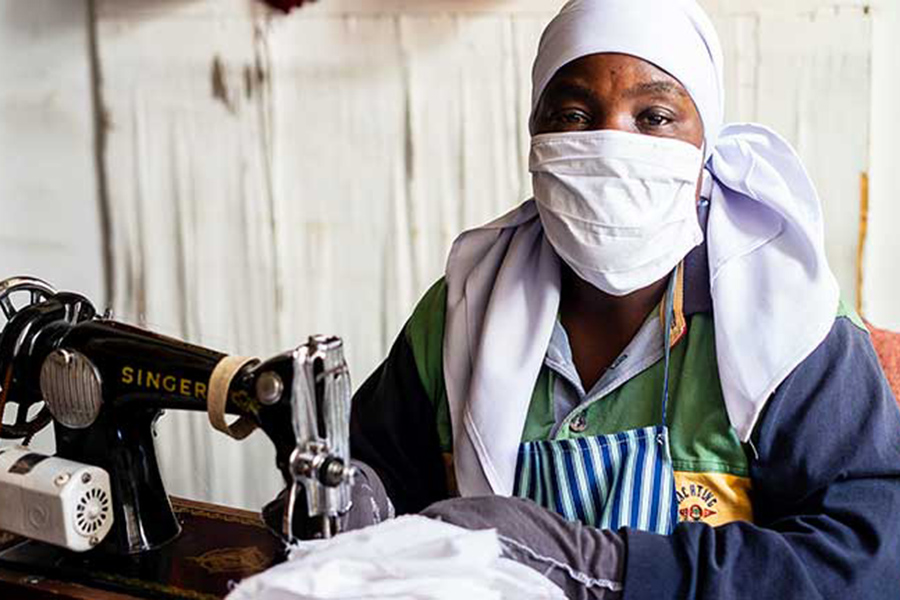
Fundamental rights at work can play a vital role in building effective, consensus-based responses towards the recovery from the COVID-19 crisis and build back a better, more just world of work, according to the ILO Issue paper on COVID-19 and fundamental principles and rights at work. However, the paper also warns that the crisis has placed these freedoms and rights at work at risk, as countries face increases in poverty, inequality and vulnerability.
ILO

Sitting at her laptop in Jakarta, Indonesia, Laura Lesmana Wijaya is busy building her first online shop. The portal will be used to promote and sell household products made by local blind and deaf people. The 29-year-old, who is herself deaf, was one of 19 people with disabilities selected to take part in ILO training programmes on creating online shop applications and online shop administration. The aim was to improve incomes and create more sustainable livelihoods in the midst of the COVID-19 pandemic.
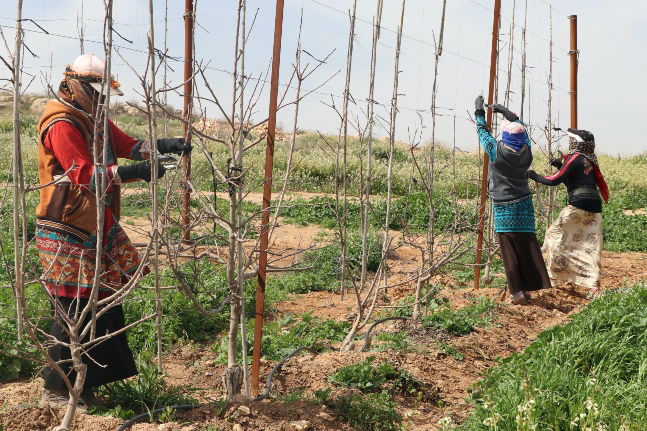
Rapid assessments examining the immediate impact of the COVID-19 pandemic on vulnerable workers and enterprises in fragile Arab states, show a significant reduction in jobs and incomes for both Syrian refugees and host communities. Limited financial capacities to cope with the crisis have led to a deterioration in living and working conditions of all workers, the assessments found. The studies, conducted by the ILO in collaboration with a range of development and humanitarian partners, show that Syrian refugees, informally employed workers, women and younger workers have been disproportionately affected by the crisis in Jordan, Lebanon and Iraq.
Countries that are already experiencing fragility, conflict, climate change and forced displacement will continue to face multiple burdens as results of the COVID-19 pandemic.
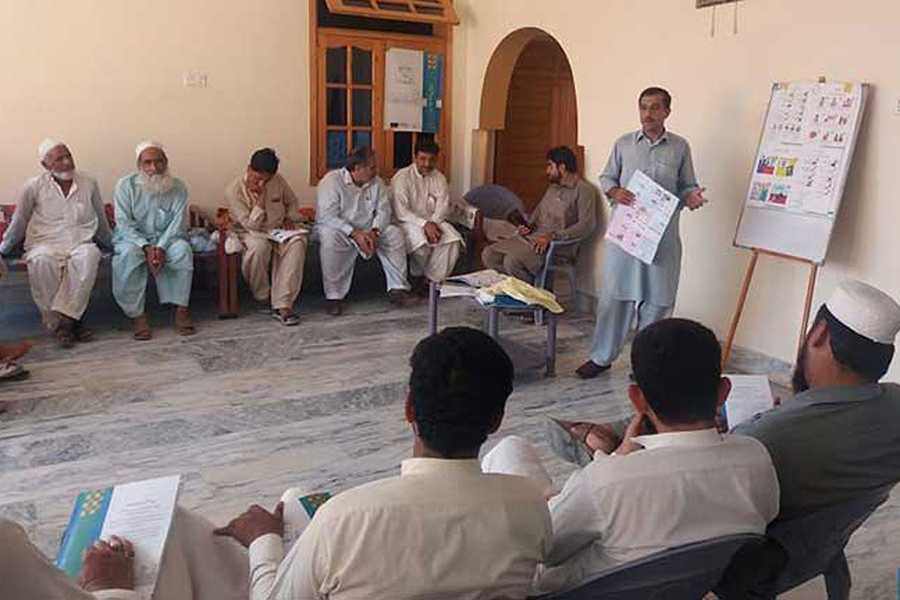
Labour migration from Pakistan has steadily increased in recent decades and continues to improve family and community livelihoods. However, a lack of good information about safe migration, fair recruitment channels and related services is a key challenge for those interested in becoming migrant workers. ILO warns that without accurate information they can be vulnerable to deception and even abuse. Volunteers aim to ensure fair recruitment and safe migration for migrant workers from Pakistan.
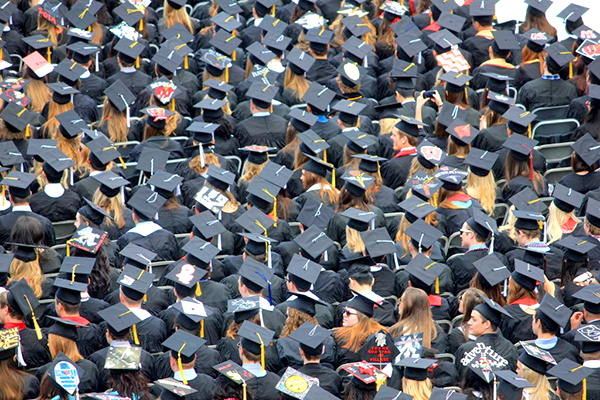
Tertiary education is still a privilege available only to a minority. Higher education allows workers to increase their skills, in the hope of getting better jobs in the future. But are highly educated workers better off in the labour market? In pursuing advanced education, workers may expect to be better prepared for the labour market and find a quality job without much delay. ILO reports this is not always the case: highly educated workers can find themselves unemployed, even for a long time.

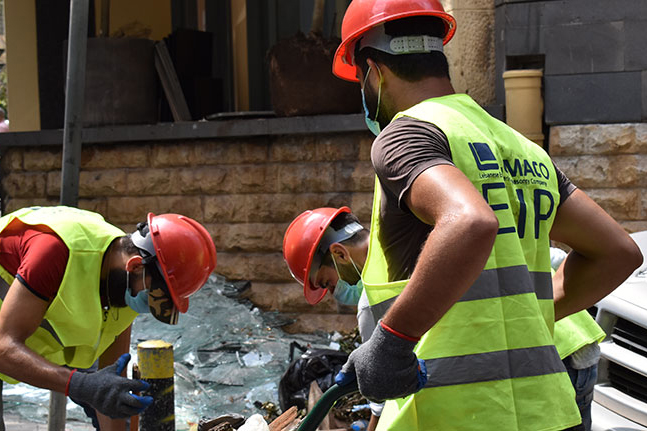
More than 100 short-term decent jobs clearing debris and rubble from the streets of Beirut have been created for Lebanese nationals and Syrian refugees, under an ILO programme.

According to the ILO report, Youth and COVID-19: impacts on jobs, education, rights and mental well-being, 70 per cent of youth who study or combine study with work have been adversely affected by the closing of schools, universities and training centres. Despite the extreme circumstances young people are using their energy to mobilize and speak out in the fight against the crisis. According to the survey one in four have done some volunteer work during the pandemic.
There are 164 million migrant workers around the world and they have been very impacted by the COVID-19 pandemic. ILO poses the question: how can trade unions protect migrant workers during the COVID-19 crisis?
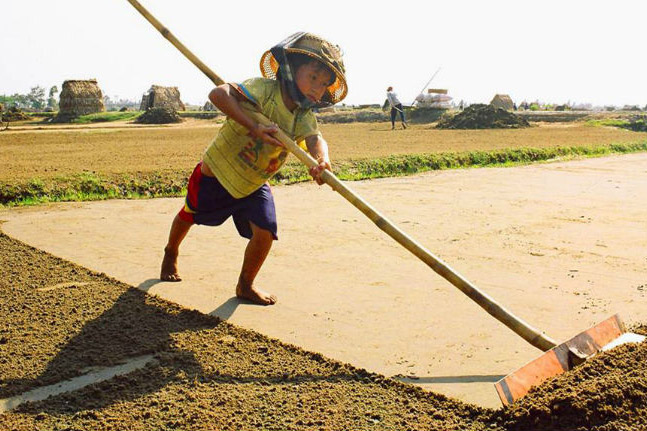
In an historic first, all 187 member States of the International Labour Organization (ILO) have ratified the ILO Convention on the Worst Forms of Child Labour.

COVID-19 has changed our world in ways we could not have imagined. Everyone has been affected and has a story to tell. The ILO shares the stories from people in the world of work.
The ILO policy framework is hinged on four key pillars in tackling the COVID-19 crisis, based on International Labour Standards.
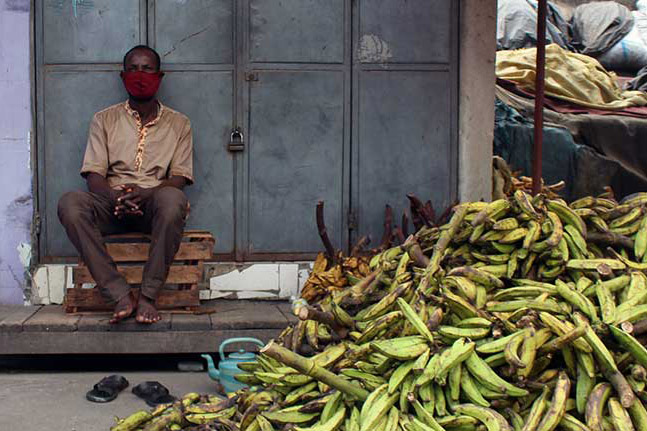
The number of working hours lost across the world in the first half of 2020 was significantly worse than previously estimated, while the highly uncertain recovery in the second half of the year will not be enough to go back to pre-pandemic levels, even in the best scenario, and risks seeing continuing large scale job losses, warns the International Labour Organization (ILO). According to the ILO Monitor: COVID-19 and the world of work: 5th Edition there was a 14 per cent drop in global working hours during the second quarter of 2020, equivalent to the loss of 400 million full-time jobs.
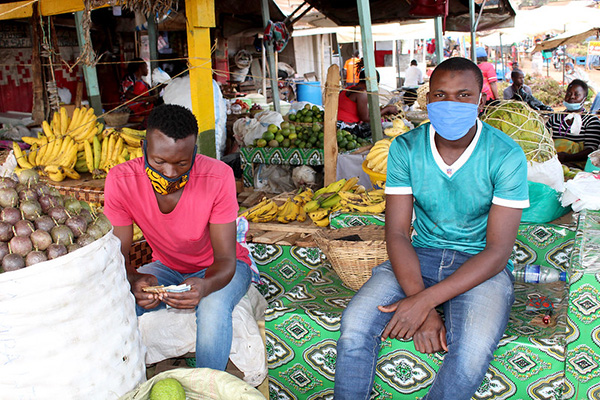
Tens of millions of migrant workers, forced to return home after losing their jobs due to the COVID-19 lockdown, face unemployment and poverty in their home countries, warned the ILO. Millions of migrant workers may be required to return home where labour markets, are now further weakened by the additional strain of high levels of unemployment and serious business disruptions. In addition, their families will suffer from the loss of the remittances normally sent to them.

The sustainable production of coffee, and indeed other crops, is more of a cultural rather than environmental commitment according to the manager of the largest coffee farm in the United States.